The year 2014 marked a significant turning point in Indian politics, characterized by the culmination of a dynamic and transformative period. It was the year of the 16th Lok Sabha elections, which took place in April and May, culminating in a major shift in the political landscape of the nation. The elections were not merely a routine exercise; they were driven by a backdrop of pressing socio-economic issues ranging from unemployment to corruption, which had become central to public discourse.
During this time, several key political parties emerged, each vying for influence and power amid rising voter expectations. The Bharatiya Janata Party (BJP), under the leadership of Narendra Modi, gained significant traction by promising economic reforms and a more development-focused agenda. In contrast, the Indian National Congress, which had dominated Indian politics for decades, faced severe criticism over its handling of various challenges, including rising inflation and governance scandals. The 2014 elections thus became a referendum on the performance of the previous government, with voters seeking alternatives to the long-standing political elite.
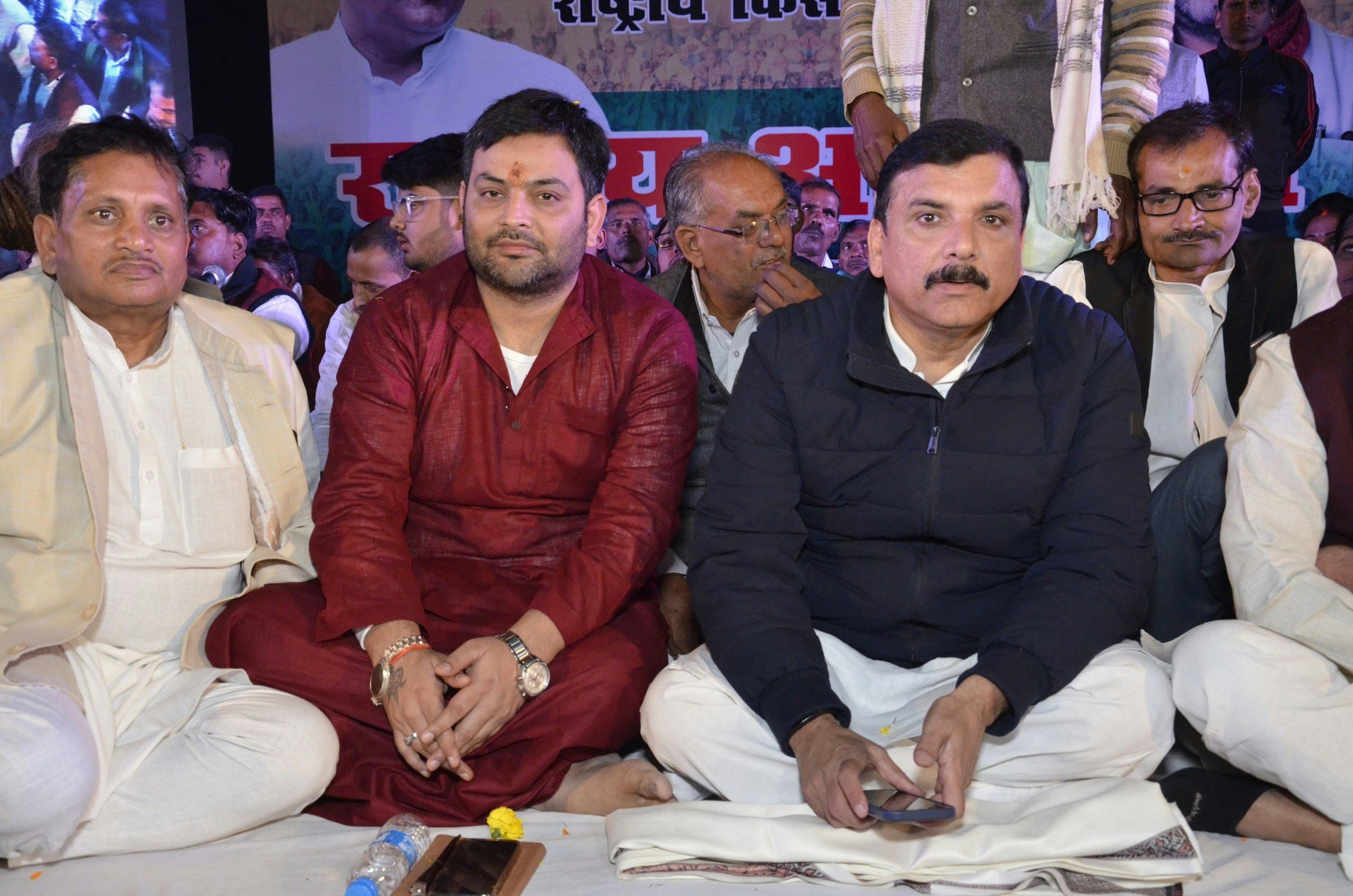
This electoral period was further intensified by the advent of social media and digital campaigning, allowing for direct engagement with the electorate. Political narratives were shaped in real-time, changing the ways politicians approached their campaigns and how voters accessed information. Issues such as labor rights, environmental concerns, and social justice became integrated into political discussions, reflecting the evolving priorities of the Indian populace.
In summary, the political landscape in India in 2014 can be characterized by a confluence of economic discontent, a critical view of the ruling establishment, and the emergence of new voices advocating for change. This period set the stage for significant shifts not only in governance but also in the nature of political engagement in India, making it an essential focal point of study for understanding contemporary Indian political dynamics.
Key Political Parties and Their Ideologies
The political landscape in India during the year 2014 was primarily dominated by several key parties, most notably the Bharatiya Janata Party (BJP) and the Indian National Congress (INC). Understanding these parties and their ideologies is crucial for grasping the dynamics of Indian politics during this period.
The Bharatiya Janata Party emerged as a significant force in the 2014 general elections, advocating for policies centered around Hindutva, economic liberalization, and governance reform. The party, under the leadership of Narendra Modi, presented a manifesto that promised development and good governance, often appealing to Hindu nationalism while emphasizing a pro-business orientation. The BJP sought to connect with the electorate by promising initiatives such as “Make in India” and infrastructural development, which resonated well with many voters in the context of economic stagnation during the previous government’s tenure.
On the other hand, the Indian National Congress, which had historically been a dominant player in Indian politics, faced significant challenges during the same election cycle. The INC campaigned on a platform that emphasized secularism, social welfare, and inclusive growth. However, it struggled to maintain its support base, largely due to public sentiment regarding corruption scandals and economic difficulties. This period marked a critical turning point for the Congress party, which began to reassess its strategic approach to governance and electoral outreach.
In addition to these national parties, regional parties also played significant roles in shaping political discourse in 2014. Entities such as the Aam Aadmi Party and various state-specific parties contributed to the conversation around local governance and regional issues, highlighting the diverse political fabric of India. These parties often addressed specific regional concerns and aimed to provide a counter-narrative to the policies of the larger national parties.
As we analyze the ideologies and manifestos of these political parties, it becomes clear that they not only shaped their electoral strategies but also influenced broader public sentiment and political discourse during this pivotal time in Indian politics.
The Role of the Election Commission
The Election Commission of India (ECI) plays a pivotal role in ensuring the integrity of the democratic process through its mandate to conduct free and fair elections in the country. Established under Article 324 of the Indian Constitution, the ECI is responsible for administering elections to the Parliament, State Legislatures, and the offices of the President and Vice President. During the 2014 general elections, the commission faced significant challenges amidst a rapidly changing political landscape.
One of the primary functions of the ECI is to prepare and update the electoral rolls to ensure that every eligible citizen can participate in the electoral process. This entails rigorous verification processes and the use of technology for maintaining authenticity and accuracy. In 2014, the ECI embraced innovations such as electronic voting machines (EVMs) and the introduction of Voter-Verified Paper Audit Trails (VVPAT) to bolster public confidence in the election mechanism.
Moreover, the ECI is committed to enhancing voter participation through various initiatives that aim to engage people from different demographics. Campaigns to educate voters about the electoral process and the importance of their participation are regularly conducted. Special efforts are made to include marginalized communities, young voters, and women, thereby emphasizing the commission’s mission to foster a more inclusive democracy.
Despite these efforts, the ECI faced numerous challenges during the 2014 elections, including allegations of electoral malpractices, political pressure, and issues related to voter misconduct. The commission’s ability to navigate these obstacles and uphold its mandate reflects its importance as a custodian of Indian democracy. As the engine behind the democratic process, the Election Commission’s role is critical in shaping the political landscape of India and ensuring that every election is a fair representation of the electorate’s will.
The 2014 General Elections: Key Dates and Phases
The 2014 general elections in India were a critical event, marking a decisive shift in the country’s political landscape. This five-phase electoral exercise was meticulously planned to ensure smooth operations across its vast and diverse geography. The election process commenced on March 5, 2014, when the Election Commission announced the schedule, setting the stage for a series of events leading to the formation of the new government.
The phases of voting took place between April 7 and May 12, 2014. With the first phase starting on April 7, nearly 18 states and union territories went to the polls. The second phase followed on April 9, covering 12 states, including major constituencies in Uttar Pradesh and Gujarat. This was followed by the third phase on April 10, where voting took place in several regions across the country, including Assam and Maharashtra. The fourth phase occurred on April 12, with significant voter participation in states such as Kerala and West Bengal, while the final phase on May 12 concluded the polling across the remaining states.
Subsequently, counting of votes was scheduled for May 16, 2014. This day was pivotal as it determined the fate of numerous candidates and parties vying for power. The counting day was marked by heightened anticipation, as results began to pour in from various counting centers. The entire election process was undertaken with a commitment to transparency and fairness, handled by the Election Commission of India. In managing such a vast electoral endeavor, the Commission utilized extensive resources, including deploying over a million personnel across various regions, ensuring every eligible voter had the chance to cast their ballot.
Overall, the 2014 general elections not only set a new record for voter turnout but also exemplified the democratic spirit of India, enabling citizens to participate fully in the electoral process.
Voter Demographics and Trends
The voter demographics and trends during the 2014 Indian elections were pivotal in shaping the political landscape of the nation. A variety of factors influenced voter behavior, including caste, religion, and the urban versus rural divide. The significance of these elements cannot be overstated, as they provide insight into the voting preferences and decisions of the electorate.
Caste played a crucial role in the 2014 elections. Different caste groups demonstrated specific voting patterns based on their perceived interests and historical alliances. The political parties strategically sought to mobilize these groups, with many aligning themselves based on caste-based promises and representation. This phenomenon highlights the complexity of Indian identity and its profound impact on electoral outcomes.
Religious affiliations also influenced voter behavior significantly. For instance, Hindu and Muslim voters tended to prioritize different issues based on their communal identities. The 2014 elections witnessed a consolidation of Hindu voters, driven by a desire for a governance model that aligned with their cultural values. Conversely, the Muslim community, concerned about their representation and issues of communal tension, often rallied behind parties that promised inclusivity and protection of minority rights.
Additionally, urban and rural voting patterns provided further complexity to voter demographics. Urban areas tended to be more influenced by issues such as economic growth and corruption, while rural populations prioritized agricultural policies and employment opportunities. This distinction illustrated the diverse priorities among voters and underscored the necessity for political parties to tailor their messages accordingly.
The elections were also marked by key issues such as corruption and economic development, which dramatically influenced voter sentiment. Public disillusionment with rampant corruption among politicians motivated many to seek change, while the urgent need for economic reforms attracted a significant portion of the electorate towards parties advocating for development and transparency. Such dynamics made the 2014 elections a notable period in Indian politics, reflecting the intricate interplay of demographics, trends, and pressing national issues.
Major Campaign Strategies and Challenges
In the 2014 Indian elections, political parties employed a wide array of campaign strategies to capture the electorate’s attention and influence public opinion. Media engagement was central to the campaigns, wherein candidates sought to maintain a significant presence across various platforms, including television, print, and online media. This multifaceted approach allowed parties to present their narratives effectively, making the most of the favorable coverage and addressing public queries through interviews and press conferences.
Public rallies emerged as a vital element of campaign strategies in 2014. These megaphone events not only helped candidates reach large audiences but also facilitated direct interaction with voters. Leaders, particularly from the Bharatiya Janata Party (BJP) and the Indian National Congress (INC), organized numerous rallies, using these opportunities to amplify their messages and showcase their party’s ideologies. Such gatherings were often designed to create a charismatic image of the candidates, thus helping them to connect with the electorate on an emotional level.
In parallel, the increasing prominence of social media transformed the electoral landscape. Political parties harnessed platforms like Facebook, Twitter, and YouTube to engage younger voters and communicate their policy proposals rapidly. Social media provided an effective avenue for sharing updates, mobilizing volunteers, and countering misinformation almost in real time. However, the digital space also presented challenges, such as the potential for negative campaigning and the spread of fake news, which necessitated vigilance from candidates and party strategists alike.
Amid these dynamic strategies, candidates faced significant challenges. Negative campaigning, while sometimes effective in undermining opponents, often led to public backlash. Furthermore, candidates needed to address critical public concerns ranging from inflation to unemployment, ensuring their party’s message resonated with the electorate’s immediate priorities. Balancing aggressive campaigning with a responsive approach to voter issues was crucial for success in this competitive political environment.
The Role of Social Media in 2014 Elections
In the backdrop of the 2014 Indian elections, social media emerged as a transformative tool that significantly altered the political landscape. For the first time, platforms such as Facebook and Twitter played a pivotal role in how political campaigns were conducted and how candidates interacted with the electorate. This era marked a notable shift where traditional campaigning methods supplemented with digital strategies became essential for reaching younger, tech-savvy voters.
Political parties took advantage of social media’s immediacy and wide reach to engage citizens directly. It provided a platform for parties to disseminate information about their manifestos, policies, and upcoming rallies. Posts, tweets, and interactions were carefully crafted to resonate with the public, aiming to influence public opinion effectively. The 2014 elections witnessed unprecedented levels of political discourse online, with candidates building their personas through active engagement with voters across these platforms.
Moreover, social media served as a medium for grassroots mobilization, allowing parties to rally support and organize events rapidly. Hashtags became a common tool of communication, enabling discussions around party symbols and campaign themes. This digitized form of campaigning also fueled internet memes and viral content, often setting the tone of public discussions around candidates and their policies, thereby shaping narratives in real time.
Despite its advantages, the use of social media in politics brought challenges, including the spread of misinformation and the need for digital literacy among voters. Nevertheless, the 2014 elections illustrated the undeniable impact of social media as a political tool, forever changing how elections are fought and won in India.
Result Analysis: The Aftermath of the Elections
The 2014 Indian general elections marked a significant turning point in the political landscape of the country. For the first time in three decades, a single party, the Bharatiya Janata Party (BJP), secured a decisive majority in the Lok Sabha, the lower house of Parliament, thus paving the way for Narendra Modi to become the Prime Minister. This victory was not only a reflection of the party’s solid campaign strategies but also highlighted the dwindling influence of the Indian National Congress, which had been the dominant political force for much of India’s post-independence history.
The results of the elections indicated a clear shift in voter sentiment, as the BJP won 282 seats out of 543, while the Congress party was reduced to a mere 44 seats. This marked a dramatic decline for the Congress, which had previously led the UPA (United Progressive Alliance) government for two consecutive terms. Various factors contributed to this shift, including widespread dissatisfaction with corruption scandals that plagued the UPA government and Modi’s effective outreach to the electorate, particularly through a focus on development, job creation, and governance.
The formation of a BJP-led government transformed the political environment in India, with the party emphasizing policies aimed at economic growth and national security. The election results signaled a departure from the quasi-socialist policies previously championed by the Congress. Modi’s administration sought to implement significant economic reforms, including initiatives like ‘Make in India’ and the ‘Digital India’ campaign, which aimed at fostering entrepreneurship and technological advancement. Furthermore, the BJP’s assertive foreign policy approach reshaped India’s relations with neighboring countries and global powers.
These developments underscored a new chapter in Indian politics, characterized by the rise of a majoritarian party, challenges for opposition parties, and an evolving policy framework that focused on economic pragmatism over traditional welfare paradigms. The aftermath of the 2014 elections not only realigned party dynamics but also established a new template for future electoral strategies in India.
Conclusion: Impact of 2014 on Current Indian Politics
The 2014 Indian general elections marked a critical turning point in the country’s political trajectory, establishing the Bharatiya Janata Party (BJP) as a central player in the Indian political landscape. This seismic shift has significantly influenced the dynamics of governance, policy-making, and party politics in India. The electoral success of the BJP, under the leadership of Prime Minister Narendra Modi, not only reshaped the political agenda but has also laid the foundation for contemporary issues facing Indian democracy.
In the aftermath of the 2014 elections, there has been a noticeable push toward economic reforms and infrastructural improvements. The BJP’s emphasis on initiatives such as “Make in India” and “Digital India” reflects an ongoing commitment to invigorate the economy and enhance global competitiveness. Moreover, the political narrative has evolved to incorporate a strong focus on national security and cultural identity, which continues to resonate with the electorate.
However, the impact of the 2014 elections is not without its challenges. The centralization of power and the undermining of opposition voices have raised concerns regarding democratic principles. Issues such as social unrest, communal tensions, and questions around civil liberties have emerged, necessitating vigilant scrutiny from civil society and political stakeholders. The changing political landscape indicates a potential for further polarization, with various factions vying for influence.
As Indian politics continues to evolve, the legacy of the 2014 elections remains pivotal. Understanding this period is essential for analyzing contemporary political movements and voter behaviors in India. The implications of these elections will undoubtedly shape the future trajectory of Indian democracy, highlighting the complex interplay between governance, societal challenges, and the aspirations of its citizenry.
Leave a Reply